How Interior Design Shapes Workplace Culture and Brand Identity in 2026
How modern office interior design influences workplace culture, employee well-being and brand identity, and the 2026 trends shaping corporate environments, from hybrid layouts to custom furniture and sustainability.
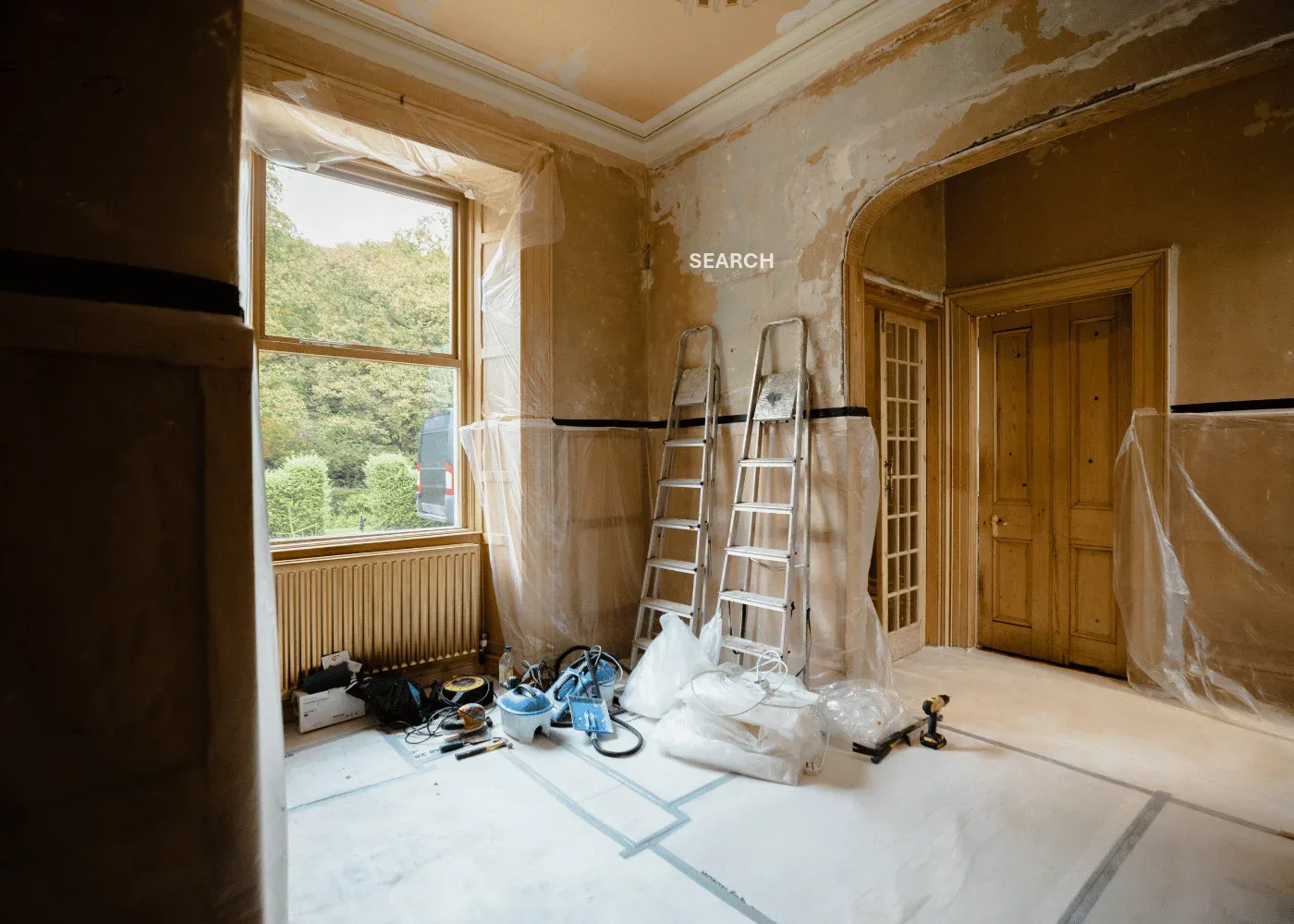
Interior design has moved far beyond aesthetics. In today’s evolving business landscape, the environments we build directly influence how people think, collaborate and connect. A well-designed workspace doesn’t just look good; it shapes culture, boosts performance and reinforces the brand’s identity.
In 2026, companies are reimagining their offices to match shifting employee expectations, hybrid work models and fast-changing digital workflows. Below, we explore how good corporate interior design has become a powerful tool for business transformation, and why investing in interiors is no longer optional.
1. Interiors as a reflection of brand personality
Every brand has a story. Your interior environment is the stage where that story unfolds. From the colour palette and materials to the furniture and spatial design, each element communicates something important:
- Is your brand youthful and energetic?
- Is it professional and refined?
- Is it innovative, disruptive or minimalist?
When clients walk into your space, they should feel your brand instantly. Bold signage, custom furniture and branded textures create consistency across the entire office, which is why companies increasingly choose customised office interiors that express their identity, values and culture.
2. The rise of human-centred workplaces
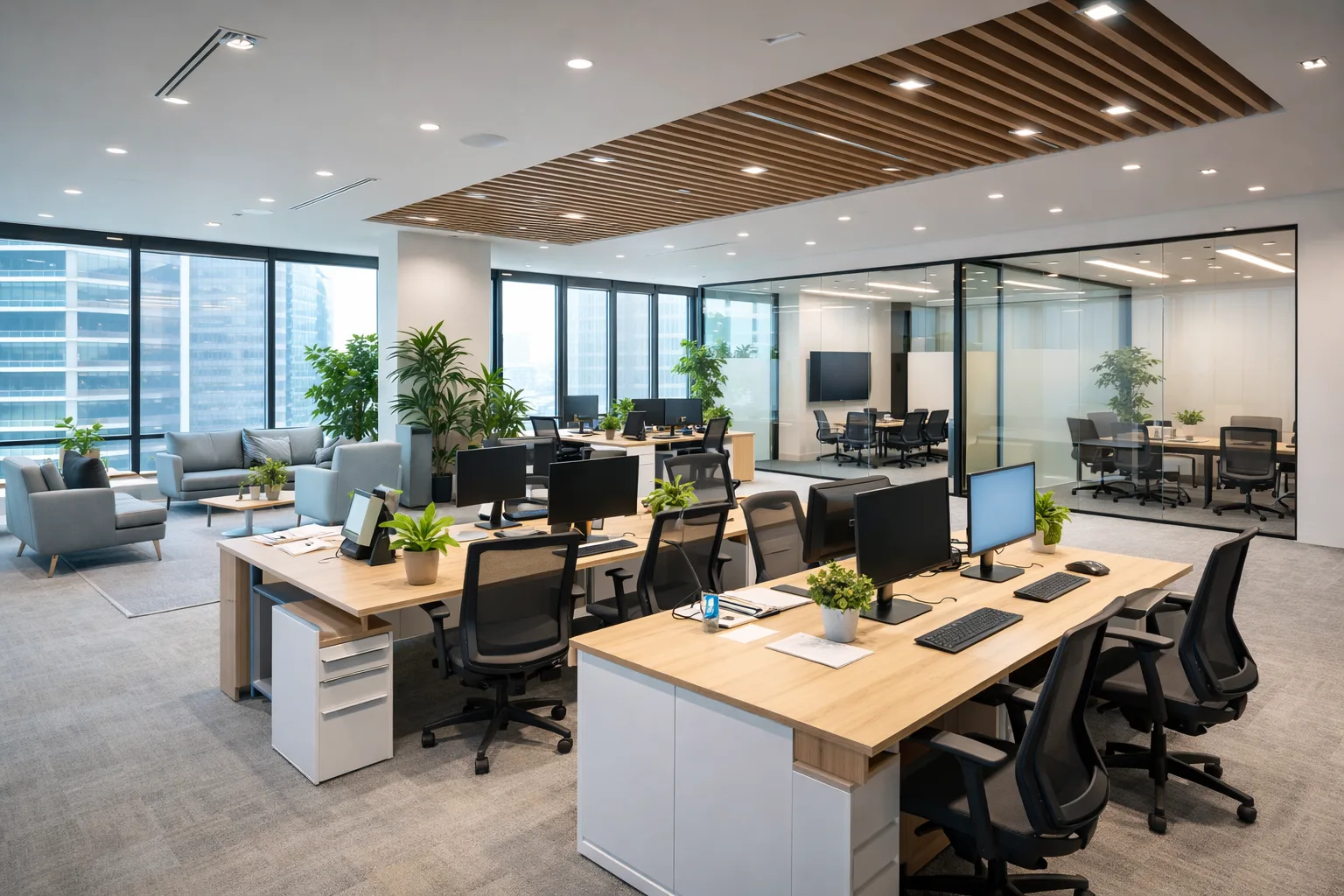
Employees today expect more than a desk and chair. They want spaces that support wellness, creativity, comfort and focus. Human-centred interiors prioritise the physical and emotional needs of the workforce. This includes:
- Ergonomic workstations
- Breakout lounges
- Wellness corners
- Quiet focus zones
- Collaboration areas
- Natural lighting
In 2026, workplaces are being built around people, not just processes. Human-centred environments support productivity, job satisfaction, creativity and employee retention. A motivated team thrives in a space designed for them.
3. How has hybrid work redefined interior layouts?
With hybrid work now the norm, offices must be flexible, tech-enabled and adaptable. The traditional fixed layout is disappearing. Instead, companies are opting for:
- Multi-purpose rooms
- Modular furniture
- Smart meeting pods
- Mobile dividers
- Hot-desking zones
- Collaboration hubs
These allow teams to work together, connect virtually or simply focus independently. Offices today are not just for working; they are for community, creativity and connection.
4. How does interior design shape workplace culture?
Culture lives in the way people interact, and interior design directly influences that interaction. For example:
- Open collaboration spaces encourage teamwork.
- Breakout lounges promote creativity and relaxation.
- Dedicated meeting zones improve communication flow.
- Quiet pods support focus and privacy.
Every design decision creates behavioural cues: where people gather, how they communicate, how they solve problems and how they relax between tasks. A well-designed workspace fosters trust, collaboration and belonging.
5. The importance of custom furniture in culture-building
Custom furniture plays a bigger role than many realise. It makes optimal use of space while reinforcing brand values through design. Benefits include:
- A perfect fit for the layout
- Improved workflow efficiency
- Branding through shapes and colours
- Greater durability than mass-market furniture
- Enhanced ergonomics
- Visual uniqueness
Whether it is a custom reception desk, conference table, workstation system or storage solution, tailor-made furniture supports both performance and culture.
6. Technology is now a core part of interior design
Technology and interiors now work hand in hand. Modern offices integrate:
- Smart lighting
- Digital screens
- Wireless charging desks
- IoT-enabled meeting rooms
- Touchless controls
- Soundproof video booths
Tech is no longer an add-on; it is part of the environment. Digital-first interiors help teams work faster, smarter and more efficiently in a hybrid world.
7. Sustainability as a design value
Eco-friendly design is one of the strongest interior trends of 2026. Companies are adopting:
- Recycled materials
- Low-VOC paints
- Energy-efficient lighting
- Green walls and planters
- Sustainable furniture
- Long-lasting fit-outs
Sustainable interiors show responsibility, not just style. They also create healthier environments for teams.
Conclusion: interior design is a strategic business tool
Investing in interior design isn’t just about updating a space; it is about transforming how your business operates and how people experience your brand. From boosting productivity to shaping culture and communicating identity, thoughtful design delivers long-term value.
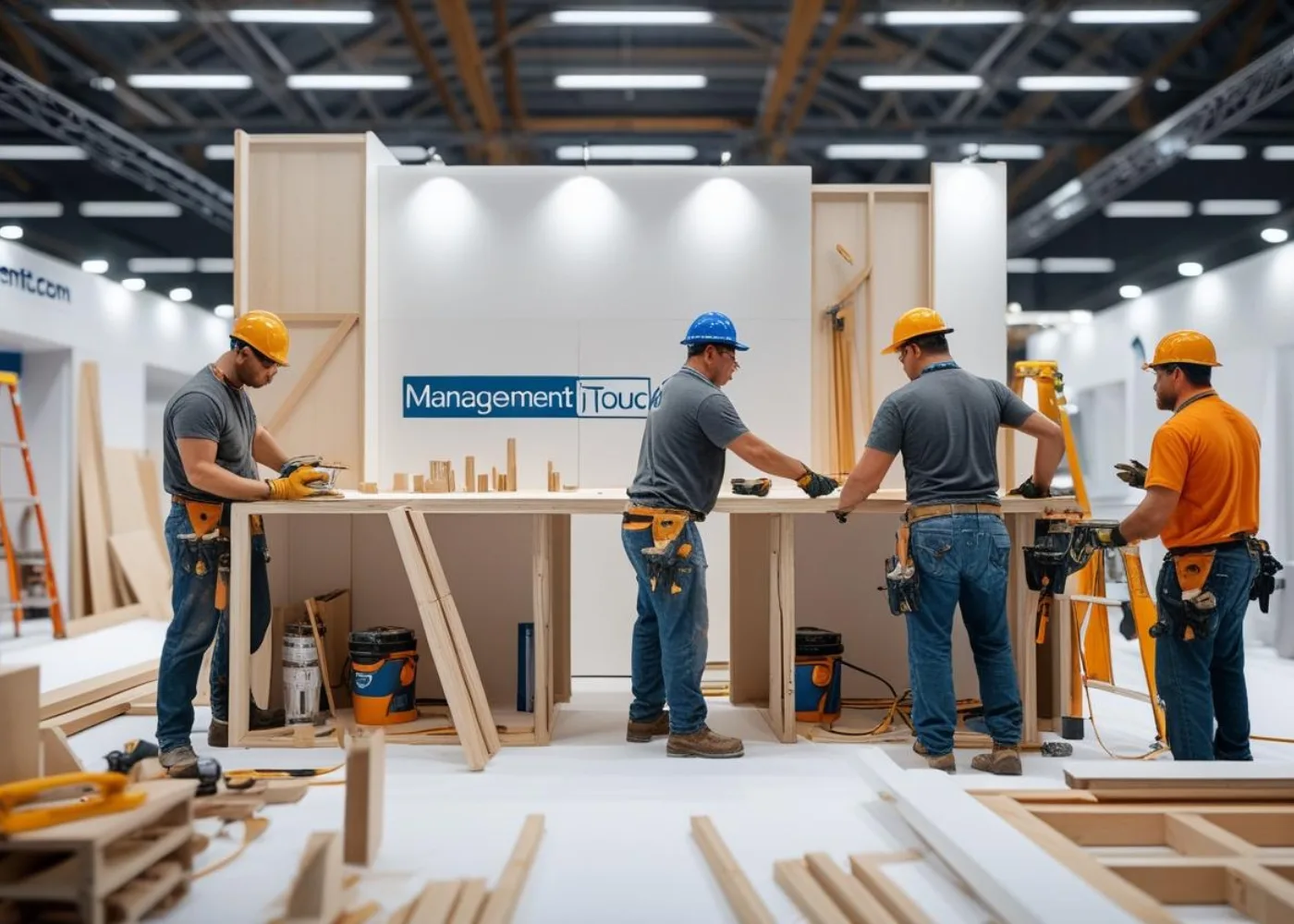
Management Touch specialises in corporate interior design, office interiors, custom furniture fabrication and turnkey interior execution, creating environments that are functional, inspiring and aligned with your brand’s vision. If you are ready to elevate your workspace for 2026 and beyond, let’s build something meaningful together.
Key takeaways
- Office interiors communicate brand personality to clients and employees the moment they walk in.
- Hybrid work favours flexible layouts: multi-purpose rooms, meeting pods, hot desks and collaboration hubs.
- Design choices create behavioural cues that shape how people meet, focus and collaborate.
- Custom furniture, integrated technology and sustainable materials are defining office interiors in 2026.
Planning a stand or fit-out?
Get a 3D concept direction and itemised quote from our team — usually within one business day.